
Business CPA Lubbock AlternativeTie the gin month to the bank
A gin cheque is not a finished month until the deposit, the module tickets and the bank agree. The month is tied to the bank, payday is set up on the provider already in the shop, and the return is prepared only from months that match. Dallas is where Steven Palmieri keeps this Tax CFO practice. Plains owners meet by video.

Name the open plains month

You will be talking to the Steven Palmieri practice.
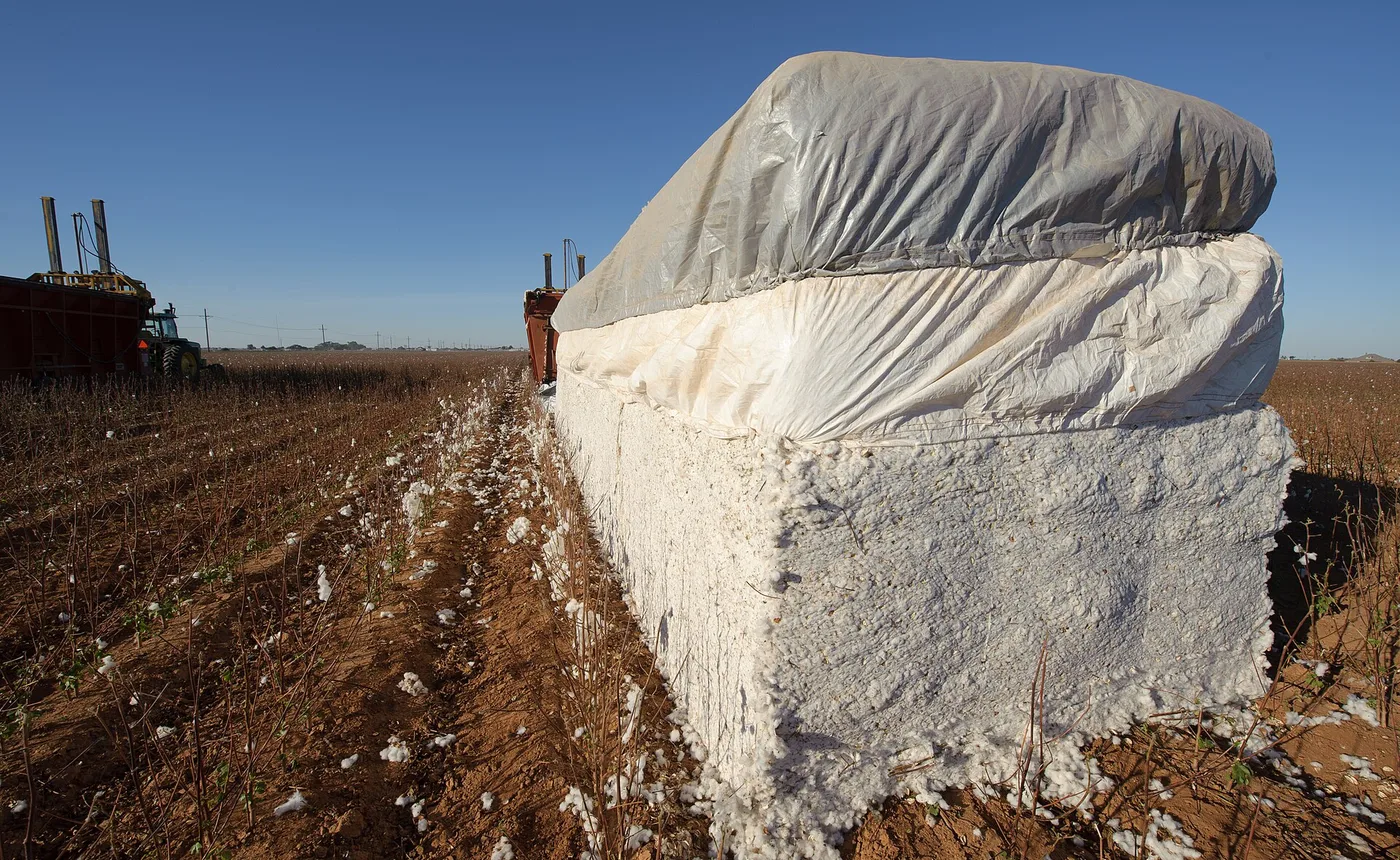
When the gin cheque lands
The module tickets are still in the truck when the deposit shows up with no label. We match the ticket to that deposit before the month can close.
Click to read ›Tap to read ›
A year the fair still interrupts
Fair week fills the town and the deposit from it still has to match the bank before the month is closed. That week is one every Texan can name from the highway.
Click to read ›Tap to read ›
The return waits on closed months
A Saturday of card sales ties to one deposit before it can sit on a return. A pile left over in March is not where the return begins.
Click to read ›Tap to read ›
City tax and county tax, apart
The city line and the county line are filed on their own dates. We close the month on a named day before either leaves.
Click to read ›Tap to read ›
Who reads the month with you
A person on this practice reads that month with you by video.
Click to read ›Tap to read ›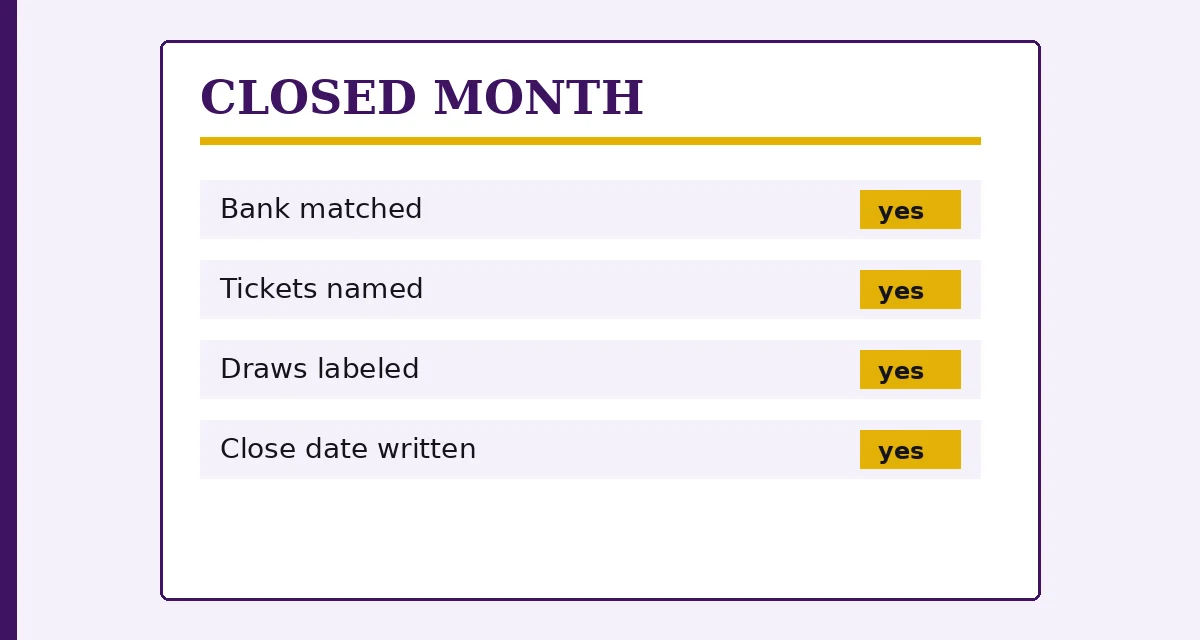
A note a lender can read
The renewal asks for the last closed month. We put that month in an order the lender can follow.
Click to read ›Tap to read ›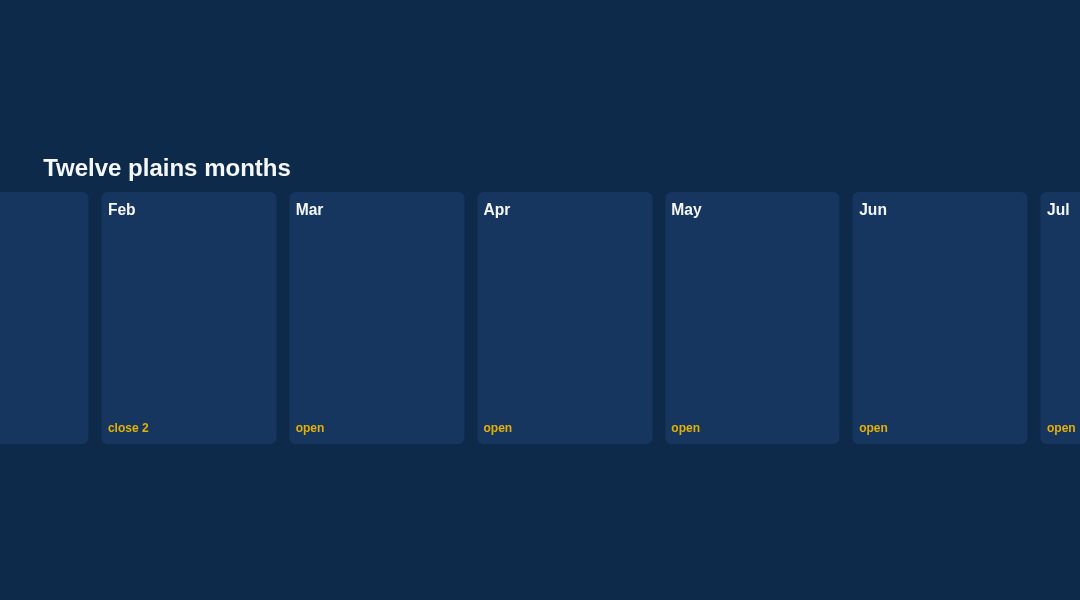
Six worries a gin year brings
Open one.
1Gin cheque and bills in different months
We tie both months to the bank before either one is called closed.
A deposit with no matching expense still sits open, and the return later treats it as if it belonged somewhere.
2Lender wants the note before harvest
We put the open months in an order a lender can follow.
A packet of loose deposits is not a statement. The note reads better when the last closed month has a name.
3Fair week still sits in the sales-tax batch
We separate the fair-week cards from the ordinary week before the return is filed.
A mixed batch makes the city and the county look like one number. They are not.
4First payday run is not confirmed
The first payroll run is watched with you on the provider the crew already uses. Later runs stay on that provider's screen.
A clean first run is the handoff. From then on the crew is paid from the provider you picked.
5Franchise report from an open year
The May franchise report uses only months whose deposits already agree with the bank.
A report from an open year is a guess. A report from closed months is a filing.
6October can move what December cannot
October is the video call where a prepaid bill or a gin cheque can still land in a different year.
Cotton income and a prepaid bill do not have to land in the same year if the books are current.

Steven Palmieri, Tax CFO.
For this gin month, Steven Palmieri is the Tax CFO and the Entrepreneur's CFO, and we close that month with you.
Meet the practiceWhat an uneven plains year does to the books
Money on the South Plains does not arrive in equal months. A gin cheque can land in November for cotton that was in the field in October. The seed bill, the fuel, and the insurance often left the bank earlier. If those months are still open, the year looks richer or poorer than the field actually was.
We start from the last deposit that has a name. The bank feed is a list of suggestions until someone matches it. A match is a deposit to a gin ticket, a card batch to a Saturday, a draw to the owner and not to a sale. When the match is missing, the month stays open on purpose.
Owners tell us the worry is a letter, or a lender, or a year that will not tie. The relief is ordinary. The month has a close date. The statements match that date. The return is prepared from that set of months and not from a guess about what the gin still owes.
We keep a written close date even when the field is loud. The gin can run late. The fair can fill a weekend. The note can come due. The date on the month does not move to match the noise. That is the part owners tell us they feel in their shoulders when it finally happens.
Government work is the largest employment block in the Lubbock metro, 40,600 jobs in the August 2026 count. A shop that sells into that block still closes on a named day, the same day we use for the gin month.
Payday is set up. It is not run from here
Payday on a farm crew or a shop crew needs a provider that already runs it. We set that up with you. Registrations, the deposit schedule, and the first clean run. After that run, the provider keeps paying people. Once that first run is clean, we step out of the payday path and leave the button with you.
What we do keep is the record the books need. Wages land in the right month. A draw is not labeled as a wage. A contractor who should have been on payroll is a conversation before the year ends, not a surprise on the return.
If the provider was never really set up, the first month is that setup. We will say so. A clean close cannot hide a crew that was never put on a provider.
Lubbock ISD has run since 1907 and still has four high schools among its campuses. A crew paid on a school calendar and a gin cheque that follows the field are two months, and each one gets its own close.
What can still change before the year freezes
October is still early enough to park a prepaid fuel bill or a gin cheque in the year you intend. A prepaid bill, a piece of equipment, the timing of a gin cheque. December is when those choices freeze into the return. We read that October with you while there is still a month to act.
We are not predicting a refund. We are showing which months are closed, which deposits are still loose, and which questions the return will ask if nothing changes. You decide. The closed months and the still loose deposits are the page you look at before that decision.
Dallas is where this practice sits. Owners in Lubbock meet us on a video call, and one calendar day still closes the month whichever side of the state the gin is on.
Leisure and hospitality held 24,200 jobs in that August count. The crew keeps getting paid from the provider the owner already chose. We set the first run up and then leave the button there.
Name the open gin month.
Tell us which deposit is still loose
Name the month, the gin, or the note. We answer on a video call.
You will be talking to the Steven Palmieri practice.